
Webdesign Trends 2026: Sustainability & Accessibility
2026 will bring a host of new trends for web design and website development. In addition to aesthetic and functional aspects, inclusion and sustainability will also play a greater role.
3D graphics, animations, glass morphism, purposeful simplicity, the use of AI (artificial intelligence) for content generation, and increased personalization are some of the most important trends for web design in 2026. A clear shift towards clean, simple and easily understandable design as well as for visual storytelling is evident. However, accessibility and inclusion, as well as sustainability and the responsible use of resources will also play a crucial role. This article will show you which web design trends will be relevant in 2026 and how to prepare your website for the new year.
3D graphics & illustrations
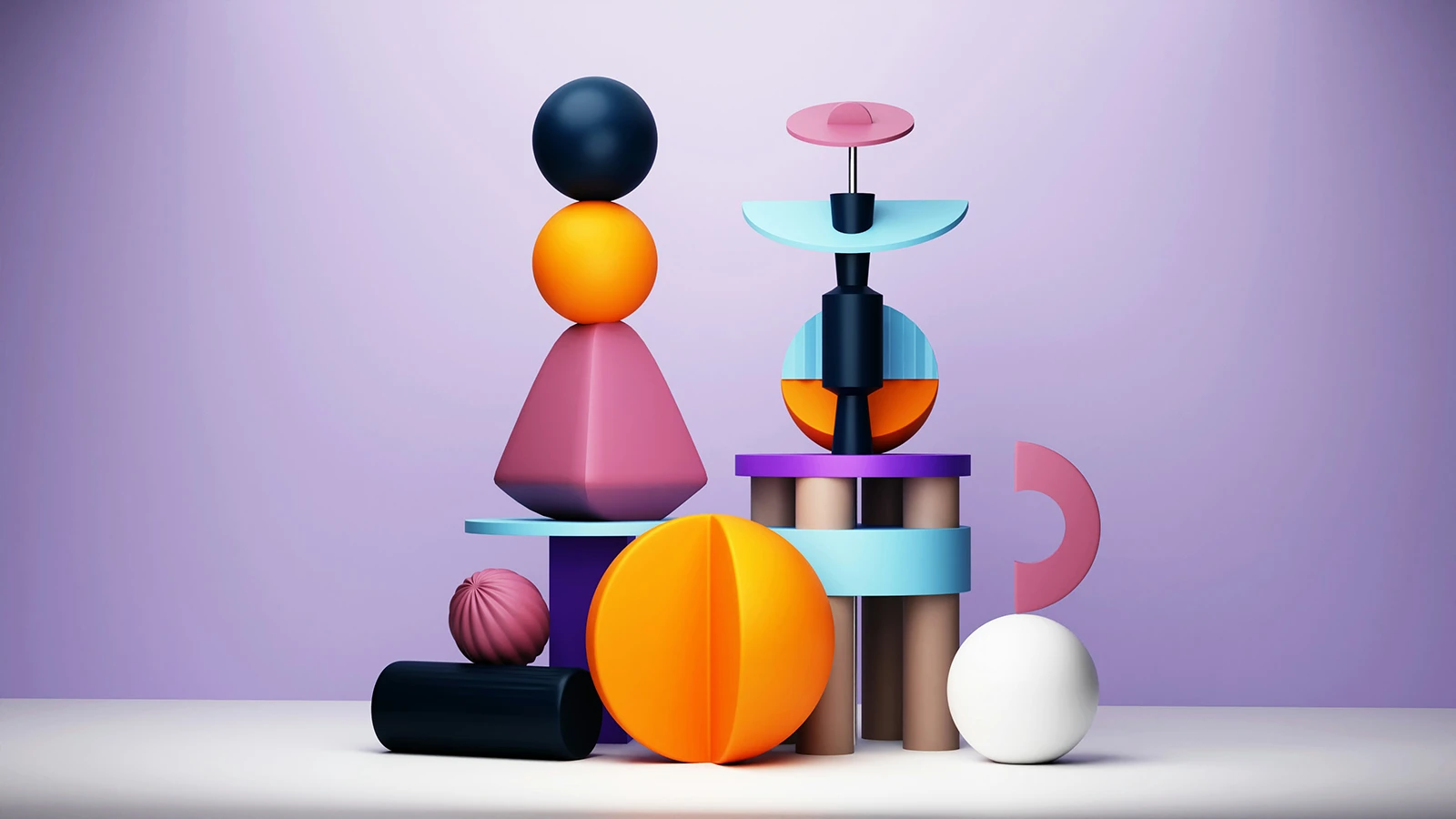
After a long period of predominantly flat, monochrome design elements (“flat design”), a clear trend toward 3D graphics and illustrations emerged in web design last year. While this design trend doesn’t represent a complete abandonment of simple, minimalist design elements, these are complemented by more complex, often multicolored 3D elements — always depending on the target audience and the desired brand impact, of course.
3D graphics and illustrations are excellent ways to focus attention and giving web design a modern, contemporary visual appearance. While simple, elegant graphics and symbols can emphasize the high quality and exclusivity of products and services, 3D elements often create a more emotional and immersive experience. This makes offerings more accessible, especially to a younger audience.
3D illustrations and infographics make complex content easier to understand, thus contributing to faster information transfer. In times when website visitors’ attention spans are constantly shrinking, this is a crucial success factor! 3D elements are particularly helpful when presenting technical products, abstract processes, or workflows.
In branding, 3D illustrations can be useful for developing a unique visual language and establishing it consistently across websites, apps, and marketing materials. This allows brand values such as innovation, the use of modern technologies, and creativity to be communicated more effectively. Many startups and SaaS companies are currently increasingly relying on 3D to underscore their future-oriented approach.
In web design, 3D elements can be used, for example, for scrolling and mouse interactions, product presentation or the visualization of services. However, a thoughtful and targeted use of 3D graphics and illustrations is essential – for if used incorrectly or indiscriminately, 3d graphics can easily distract or overwhelm. Furthermore, poorly optimized 3D elements can negatively impact website loading times and are not always accessible. Therefore, they should always be used with a clear purpose and not “for the sake of design.”
Glassmorphism
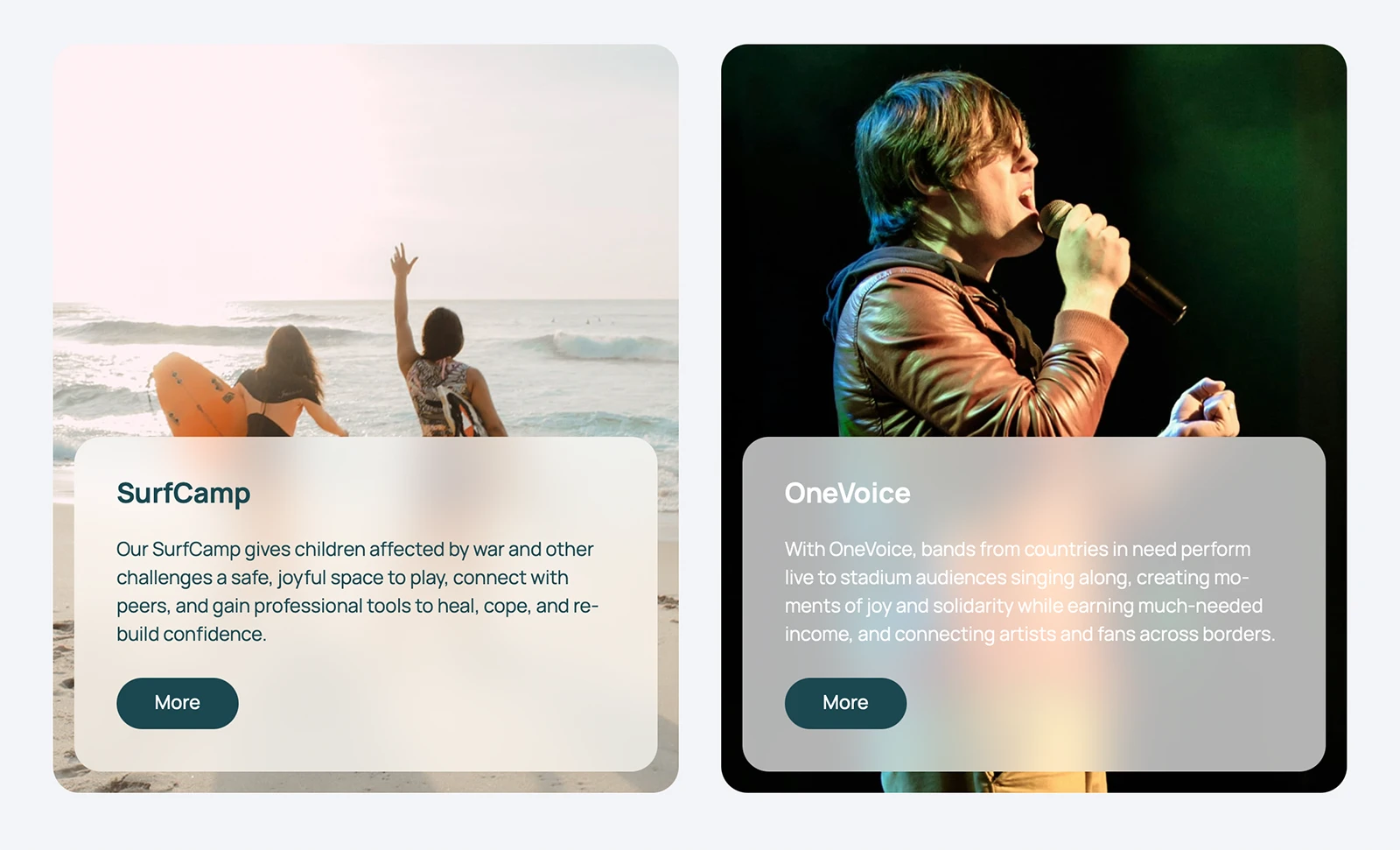
Glass morphism is a design technique that has been appearing in web design for some time now. Its aim is to create an elegant and futuristic look through transparent, milky surfaces, blurring and subtle light reflections. Glass morphism is well-suited to conveying lightness and depth by making UI elements appear to float above other elements without completely obscuring them.
In web design, such transparent, floating elements are particularly suitable for cards, overlays, buttons, form fields and overviews. Here, they can reinforce the visual hierarchy of design elements and enhance the perceived quality of a website. However, careful balance is crucial, especially with regard to website accessibility. Insufficient contrast or excessive transparency can impair readability and thus the accessibility of information. When used correctly, however, glass morphism is a targeted design element that communicates modernity, technological affinity, and high design standards.
Visual storytelling
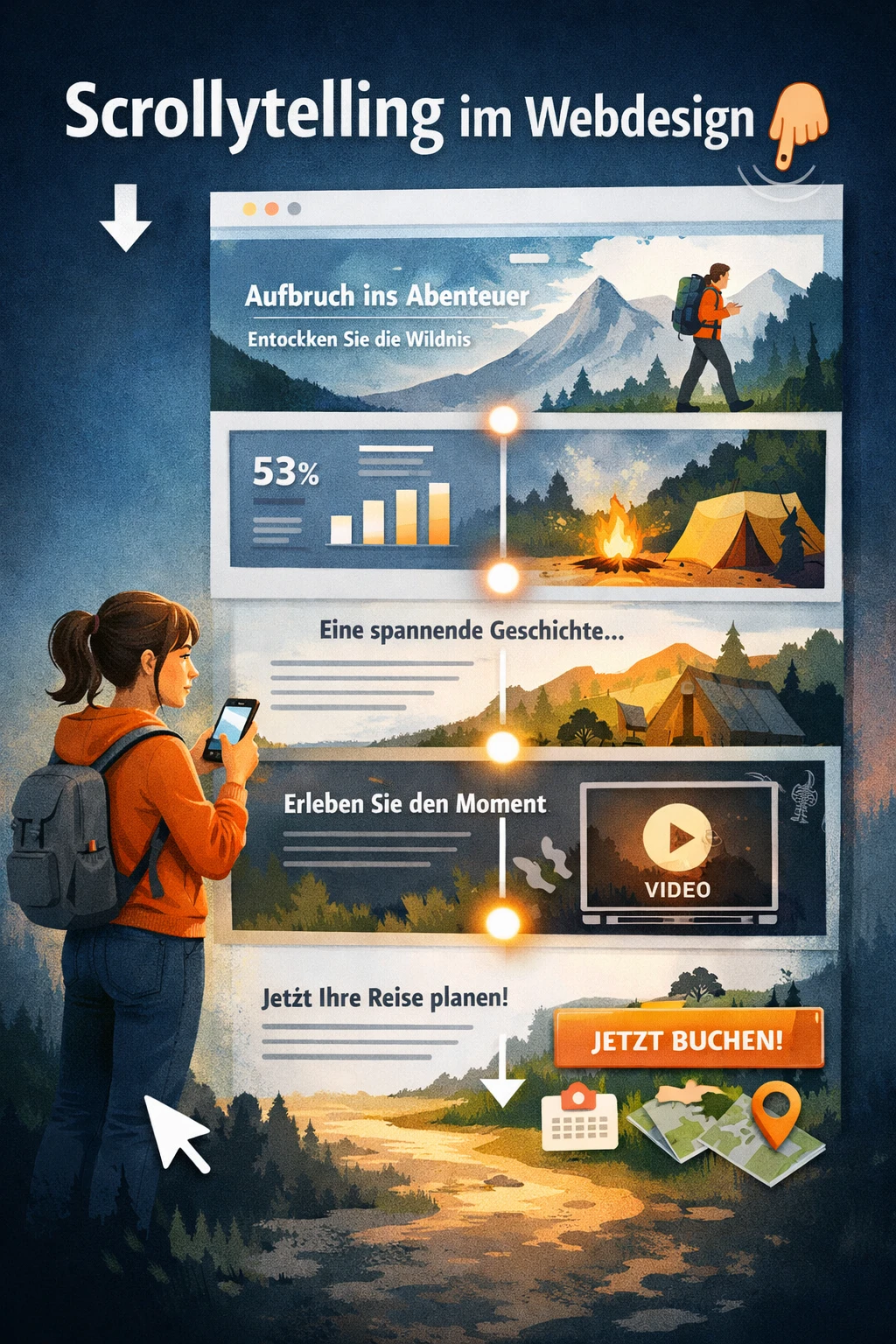 Visual storytelling will play a significantly more prominent role in web design in 2026. Design elements such as images, colors, typography and animations will not only be used to inform website visitors but, more importantly, to emotionally engage them and, as the name suggests, guide them through a story. Immersion and emotional activation are therefore just as important as the mere presentation of information.
In visual storytelling — specifically “scrollytelling” — visual elements are strategically arranged on the page to direct visitors’ attention, clarify connections and create a kind of visual drama. Content that builds upon itself can be revealed gradually as the user scrolls — for example, through subtle animations that draw attention to the current element.
Consistent visual language and a clear, unified structure of the information presented are crucial for effective scrollytelling to avoid gaps or breaks in the narrative. When used correctly, visual storytelling is a powerful design tool for intuitively conveying complex brand messages and building a stronger connection to the brand. Good visual storytelling also enhances the usability of a web design by providing orientation and making content easily understandable and memorable.
AI driven web design and stronger personalization
In 2026, the role of artificial intelligence in web design will undoubtedly increase even further. While previous applications have mostly been limited to generating content such as text, images or videos, AI will increasingly contribute to greater dynamism and personalization of websites. AI systems can analyze visitor behavior in real time and adapt content accordingly, so that each visitor sees a more or less tailored version of a page. Variations can be based on data such as location, interests or time of day.
This type of personalization can transform websites into adaptive experiences that specifically address the requirements or needs of visitors. For example, new customers might see a different homepage than returning visitors who are already familiar with the website. Customers who have already used a company’s products or services can also see offers specifically tailored to them — such as complementary products or additional services related to the services they have already used.
At the same time, AI tools facilitate the creation and optimization of content. They can contribute to better usability and accessibility of a website without replacing the creative direction of a designer.
Purposeful simplicity
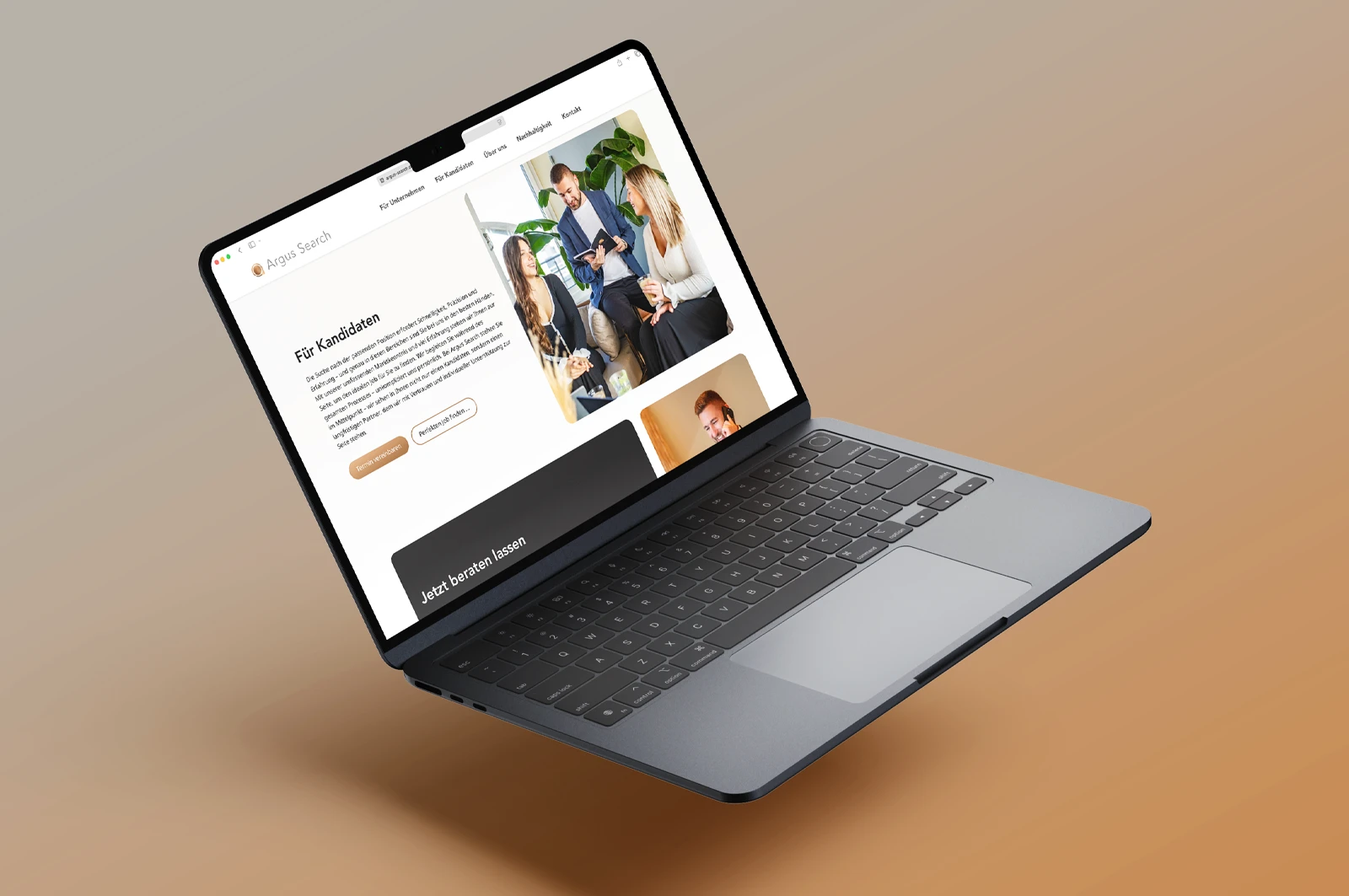
For 2026, web design is showing a clear trend towards a deliberately simple, clear design – “purposeful simplicity.” This is reflected in a reduced, but more direct use of design elements. Information is communicated more concisely, making it more impactful, easier to grasp and more accessible. Strong typography, high contrast and vibrant colors will play a key role here.
Purposeful simplicity in web design means that every design decision is consciously geared towards maximum simplicity. The goal is not just a minimalist appearance, but also an improvement in the functionality, user experience and comprehensibility of a website. Purposeful simplicity is about avoiding unnecessary elements, distractions or visual “noise” and focusing attention on the essentials, such as core messages, calls to action or content. Layouts, typography, colors and interactions are strategically employed to create a clear structure and intuitive usability. They ensure that visitors can find the information they are looking for more quickly – and have a positive experience along the way.
Purposeful simplicity in web design can be achieved, for example, by focusing the offerings on the homepage. Instead of overloading it with all available products and deals, it displays only the most important categories in clearly structured tiles. A reduced color palette draws attention to current offers, while generous spacing and clear typography improve readability. Thanks to minimalist, intuitive navigation, users can access all information with a maximum of two clicks – interactive elements such as buttons or filters are reduced to the essentials to make the purchasing process quick and focused. As a result, visitors immediately understand where they need to go, are not distracted, and the entire purchasing process appears clear and efficient.
Purposeful simplicity will also be an important design tool for technology companies in 2026. For example, the homepage of a technology business can focus on a central message – such as the company’s mission or core product – and use a large-scale hero image or animation to immediately capture attention. Secondary information, such as company values, customer testimonials or news, is presented in clearly separated, scrollable sections without overshadowing the main message. A minimalist color palette and typography support the branding and can guide users’ attention to targeted calls to action, such as “Get in touch” or “Start a product demo.” Additionally, a streamlined navigation prevents visitors from being overwhelmed by too many menu items. Every design decision—from icon style and spacing to text length—serves the goal of presenting the brand clearly and credibly, while simultaneously ensuring easy and intuitive navigation within the website.
Inclusive Design
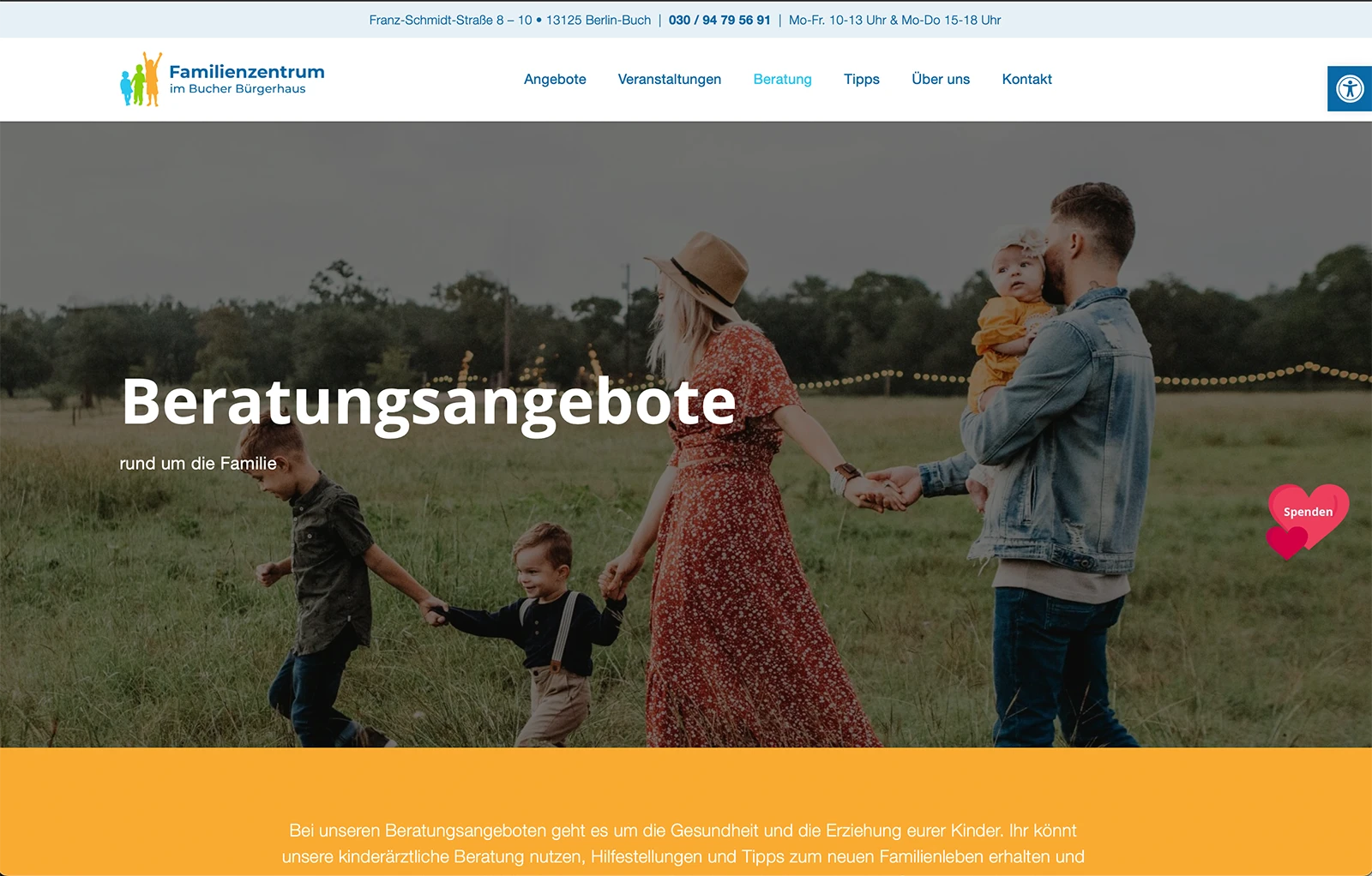
Website accessibility will increasingly shift from a trend to a necessity by 2026. This is particularly important for larger companies and public organizations: Since 2025, website accessibility has been legally mandated for many organizations and businesses. This will mean that accessibility will no longer be added to a website as an afterthought, but rather considered as a central aspect of website design from the very beginning of a web design project.
Accessibility in web design aims to make digital content accessible to everyone – regardless of physical, sensory, or cognitive limitations. In this way, accessible web design not only strengthens social participation but also improves the usability, reach and legal compliance of websites.
Accessible web design can also be a major advantage for marketing, branding and brand perception, as it expands the reach of digital offerings and improves the user experience for all visitors. This, in turn, contributes to longer dwell times on a website and improves conversion rates. Strong inclusion also contributes to a positive brand perception—and to improving both SEO and website visibility in search engines.
Inclusive, accessible design influences many design and technical elements of a website—for example, the colors and contrasts used, focus indicators, keyboard navigation, fonts and font sizes, as well as the use of simple, clear language and the implementation of semantic HTML.
Sustainable web design

In everyday life, we encounter the concept of sustainability at every turn. In the physical world, with physical products, it’s simply much more tangible and comprehensible. However, sustainability is also playing an increasingly important role in the digital world, even if it’s often not immediately apparent.
Resource-efficient website design is evident, for example, in the use of smaller image sizes or the avoidance of autoloading videos. These measures reduce website loading times, server load, and thus the energy consumption of both the web server and the device used to access the website. Energy consumption during data transmission, for example via mobile networks, is also reduced. A dark web design (or the so-called “dark mode”) reduces the energy consumption of OLED displays, as they don’t need to be illuminated as brightly as, for example, a website with a predominantly white background.
By 2026, sustainability, resource conservation and energy efficiency will become increasingly important in web design. The design and content structure of a website directly impacts the energy consumption of servers, networks and end devices. Energy-efficient web design reduces the amount of data that needs to be transferred when a page is accessed. This contributes to faster loading times, reduced environmental impact and an improved user experience.
In practice, there are many ways to improve a website’s energy efficiency and sustainability—for example, through compressed images and videos, the subtle use of animations or the use of modern file formats such as WebP and SVG. So-called “lazy loading” ensures that website images are only loaded when they are actually visible to the user. Reducing unnecessary elements, scripts or third-party plugins also reduces data volume and processing power.
An efficient code structure is often overlooked, including clean, efficient programming of HTML, CSS, and JavaScript code, component reuse and avoiding unnecessary libraries.
Bright, solid backgrounds increase energy consumption on OLED displays, while strategically used color areas can significantly reduce power consumption. This also applies to the choice of hosting provider and infrastructure. Energy-efficient servers, green hosting and Content Delivery Networks (CDNs) can help reduce a website’s carbon footprint.
Sustainable web design intelligently combines aesthetics, performance and environmental awareness: Benefits include faster loading times, an improved user experience, reduced energy consumption, and—not to be underestimated—a more positive brand perception!
Incidentally, particularly energy-efficient websites can also be awarded a prize – for example with the Cleaner Web Seal.